Students' DASS-21 Guide: Academic Stress & Mental Wellness
Student life is an exciting blend of discovery and immense pressure. Juggling deadlines, exams, a social life, and future plans can feel overwhelming. This pressure often builds, leading to feelings of anxiety or stress—a common experience that isn't discussed enough. The dass21 offers a simple way to check in with yourself. What is the DASS21 test and how can it provide clarity amid the chaos of student life?
This guide is for students like you. We’ll explore the mental health challenges of academic life and show how a quick, confidential self-assessment is a powerful first step toward understanding your emotional well-being. You'll learn to use the DASS-21 for personal insight and discover practical strategies to manage stress, empowering your path to a healthier, more balanced academic journey. You can get started now with a free assessment.

Understanding Student Mental Health & Academic Stress
University life is more than lectures and papers—it's a period of significant growth that often brings unique stressors. Acknowledging these pressures is the first step to managing them. Student mental health isn't just the absence of illness; it's having the resources to thrive academically, socially, and personally.
Unfortunately, the high-stakes environment of academia can lead to significant academic stress. This isn't just about feeling nervous before a big test. It's a persistent pressure that can impact your concentration, motivation, and overall well-being. Recognizing the sources and signs of this stress is crucial for taking control before it leads to burnout.
The Pressures of College Life: Identifying Common Triggers
For many students, the campus environment is a pressure cooker of expectations. Understanding where this stress originates can help you anticipate and manage it. College life pressures often stem from several key areas:
-
Academic Demands: The sheer volume of coursework, challenging subjects, and the constant need to perform well can be draining. Fear of failure or not living up to expectations—your own or others'—is a major trigger.
-
Social Adjustments: Building a new social circle, navigating roommate dynamics, and feeling a sense of belonging can be sources of significant anxiety. Social comparison, amplified by social media, adds another layer of pressure.
-
Financial Worries: Tuition fees, student loans, and the cost of living create a constant background hum of financial stress for many. Balancing a part-time job with a full course load is a common and exhausting reality.
-
Future Uncertainty: The pressure to choose the right major, secure an internship, and have a clear career path after graduation can feel overwhelming, making it hard to focus on the present.

Recognizing the Signs: Beyond Just "Feeling Down"
It's easy to dismiss persistent exhaustion or irritability as just "part of being a student." However, these can be early warning signs of deeper issues like depression, anxiety, or severe stress. Recognizing the signs is key to intervening early. Symptoms often manifest in ways that directly impact your academic performance:
- Changes in Concentration: Finding it difficult to focus in lectures, struggling to read for long periods, or feeling like your mind is constantly foggy.
- Procrastination and Avoidance: Putting off assignments not out of laziness, but because the thought of starting them feels paralyzing.
- Physical Symptoms: Experiencing frequent headaches, stomach issues, changes in sleep patterns (insomnia or oversleeping), or a weakened immune system.
- Emotional Volatility: Feeling unusually irritable, snapping at friends, or experiencing mood swings that feel out of your control.
- Social Withdrawal: Losing interest in hobbies or social activities you once enjoyed and isolating yourself from friends and family.
These signs can indicate that the pressure is tipping into a more serious state of student burnout or college anxiety. An objective tool can help you make sense of these feelings.
How DASS-21 Helps Students Self-Monitor & Understand Their Feelings
When you're caught in the whirlwind of student life, it's hard to get an objective look at your own mental state. The Depression, Anxiety, and Stress Scale (DASS-21) is a well-established tool designed to help you do just that. It’s not a diagnostic test, but rather a personal check-in. It provides a clear snapshot of your emotional health over the past week, helping you distinguish between feelings of depression, anxiety, and stress.
This self-awareness is empowering. Instead of just feeling "bad," you can start to identify specific patterns. Are your feelings more related to anxiety about upcoming exams, persistent stress from your workload, or a low mood that points toward depression? A free DASS-21 test can provide these valuable insights.
Your Confidential Check-in: Taking the Free DASS-21 Test
One of the biggest barriers for students seeking to understand their mental health is the fear of judgment or lack of privacy. The DASS-21 assessment is designed to overcome this. Here’s what makes it an ideal tool for students:
- It’s Completely Free and Accessible: There are no fees or sign-ups required. You can take the test anytime, anywhere, on any device.
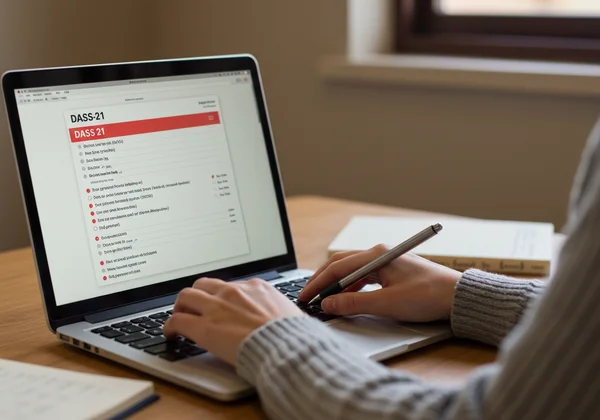
- It’s Quick: The 21 questions take only about three minutes to complete, making it easy to fit into a busy schedule.
- It’s Confidential: Your responses and results are private. This creates a safe space for you to answer honestly without any external pressure.
The process is simple. You answer 21 questions based on your experiences over the last week. Once you finish, you receive your scores instantly.
Decoding Your Scores: What DASS-21 Results Mean for You
After completing the assessment, you'll see three separate scores—one for Depression, one for Anxiety, and one for Stress—along with a severity rating for each, ranging from Normal to Extremely Severe. Understanding your DASS 21 score interpretation is straightforward:
- Depression Scale: Measures symptoms like hopelessness, low self-esteem, and a lack of interest or pleasure in life.
- Anxiety Scale: Assesses physiological arousal, situational anxiety, and the subjective experience of feeling anxious or panicky.
- Stress Scale: Gauges levels of nervous tension, difficulty relaxing, and being easily agitated or irritable.
Seeing these scores separated helps you pinpoint the primary nature of your emotional distress. For instance, a high stress score with normal anxiety and depression scores might suggest that your feelings are directly tied to your current workload and that implementing stress-management techniques could be highly effective. These results can serve as a concrete starting point to understand your scores and take meaningful action.
Actionable Strategies for Managing Academic Stress & Improving Mental Wellness
Gaining insight from your DASS-21 results is the first step. The next is turning that awareness into action. Managing academic stress and improving your mental wellness is an ongoing practice, not a one-time fix. It involves building a toolkit of strategies that work for you. Remember, small, consistent efforts can lead to significant improvements over time.
Whether your scores are in the normal range or indicate higher levels of distress, incorporating healthy coping mechanisms into your routine is beneficial for every student. These strategies can help you build resilience and navigate the challenges of academic life more effectively.
Building Resilience: Practical Coping Skills for Students
Resilience is the ability to bounce back from setbacks and adapt to challenges. It's a skill that can be learned and strengthened. Here are some practical coping skills to integrate into your student life:
-
Structure Your Time: Use a planner or digital calendar to break down large assignments into smaller, manageable tasks. The Pomodoro Technique (25 minutes of focused work followed by a 5-minute break) can combat procrastination and reduce feelings of being overwhelmed.
-
Practice Mindfulness: Just 5-10 minutes of daily mindfulness meditation can help calm an anxious mind. Apps like Calm or Headspace can guide you, or simply focus on your breath in a quiet space.
-
Prioritize Sleep: Sacrificing sleep for studying is counterproductive. Aim for 7-9 hours of quality sleep per night. A consistent sleep schedule improves memory, concentration, and emotional regulation.
-
Move Your Body: Physical activity is a powerful stress reliever. Whether it’s a brisk walk between classes, a gym session, or a yoga class, exercise releases endorphins and reduces stress hormones.
-
Stay Connected: Don't isolate yourself. Make time for friends, call your family, or join a club. Meaningful social connections are a vital buffer against stress and depression.

When to Seek Support: Resources for Student Mental Health
Self-help strategies are powerful, but it's equally important to recognize when you need more support. If your DASS-21 scores are in the severe or extremely severe range, or if your feelings are persistently interfering with your daily life and studies, it's time to reach out to a professional. There is no shame in seeking help—it is a sign of strength.
Your DASS-21 results can be an excellent conversation starter with a therapist or counselor. They provide an objective summary of your recent experiences. Most campuses offer free or low-cost counseling services specifically for students. These professionals are trained to help you with the unique challenges you face. Reaching out is a proactive step toward wellness. You can take the first step by understanding your current emotional state.
Taking Charge: Your Journey to Student Well-being
Your time as a student is a formative chapter of your life, but it doesn't have to be defined by stress and anxiety. By prioritizing your mental wellness, you are investing in your academic success and your long-term happiness. Understanding your emotional landscape is the foundation of effective self-care, and tools like the DASS-21 are designed to empower you with that crucial insight.
Remember, checking in with yourself is not a sign of weakness; it’s a core component of a healthy, resilient mindset. Use your newfound knowledge to build positive habits, recognize when you need support, and navigate your academic journey with greater confidence. Your mental health matters. Take a few minutes today to discover your insights and begin your path toward a more balanced student life.
Frequently Asked Questions
What is the DASS-21 test, and how can it help students? The DASS-21 is a 21-question self-assessment that measures the severity of depression, anxiety, and stress symptoms over the past week. For students, it serves as a quick, private, and objective mental health check-in. It helps you understand your feelings more clearly, identify specific areas of distress, and track your emotional well-being over time, especially during high-pressure periods like exams.
Is the DASS-21 a diagnostic tool, or should I see a professional if my scores are high? No, the DASS-21 is a screening tool, not a diagnostic one. It cannot tell you if you have a clinical disorder. Its purpose is to provide a snapshot of your emotional state and indicate the severity of your symptoms. If your scores are high, it is strongly recommended that you share these results with a doctor, therapist, or campus counselor for a formal evaluation and professional guidance.
What is a normal score on the DASS-21 for a student? Severity ratings for the DASS-21 are the same for everyone, including students. A "normal" score indicates a low level of symptoms. However, it's important to remember that student life is inherently stressful, and experiencing mild to moderate symptoms at times can be a common response to academic pressure. The key is to monitor these levels and seek support if they become persistent or severe. You can always check your score to see where you fall.
Is the DASS-21 test free and confidential for students? Yes, the free DASS-21 assessment is completely free for all users, including students. No registration or payment is required. Furthermore, the platform is committed to user privacy, ensuring that your responses and results remain confidential, providing a safe and secure space for self-reflection.