Root Causes of Depression: Biological, Psychological, and Environmental Factors
When you experience a persistent drop in mood, a natural and exhausting question often arises: "Why do I feel this way?" Understanding the underlying triggers of psychological distress is a vital step toward reclaiming your emotional well-being. Depression is rarely sparked by a single isolated event, a sudden trauma, or a personal shortcoming. Instead, it represents a complex web of internal chemistry and external life pressures. This guide explores the multi-faceted depression cause factors—spanning biological configurations, cognitive patterns, and stressful life occurrences. By uncovering how these dimensions interact, you can map out your emotional landscape and gain structural clarity. To begin organizing your thoughts, you can explore your recent emotional trends via the online DASS-21 test.
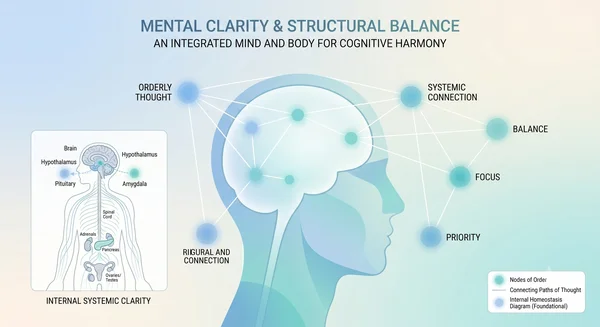
Biological Drivers: What Causes Depression in the Brain?
Neurotransmitter Imbalances and the True Role of Serotonin
Many people believe that a simple chemical shortage causes depression in the brain. For decades, public health messaging focused heavily on individual serotonin levels. However, modern neuroscience reveals a much more nuanced picture of our inner workings. Neurotransmitters like serotonin, norepinephrine, and dopamine do not work in isolation as independent switches. Instead, they act as interconnected messengers within complex neural networks that regulate mood. When communication within these specific networks falters, your overall emotional baseline can shift downward. This internal breakdown impacts how you process daily rewards, handle chronic stress, and maintain motivation. Therefore, a chemical imbalance is rarely just a lack of one specific molecule. It is a broader issue of network connectivity and signaling efficiency.
How Do Experts Evaluate Genetic Predisposition Alongside Life Stressors?
Your unique genetic makeup can significantly influence your vulnerability to a sudden or prolonged depression cause. If your biological parents or siblings experienced severe mood drops, your statistical risk of experiencing similar struggles increases. However, DNA is not an unchangeable blueprint or a fixed destiny. Think of your genes as a template that determines how sensitive your nervous system is to environmental stress. A highly resilient genetic profile might withstand severe lifestyle pressures without a major mood shift. In contrast, a more sensitive profile might experience an emotional drop under less strain. Experts view genetics as a predisposing factor rather than a direct, independent cause. External life triggers almost always interact with these genetic tendencies to create a noticeable emotional change.
Can Structural Brain Differences Affect Your Daily Stress Response?
Neuroimaging studies demonstrate that prolonged emotional distress can correlate with physical changes in specific brain regions over time. For example, the hippocampus, which manages memory processing and emotional context, often shows reduced volume in individuals experiencing chronic low mood. Meanwhile, the amygdala, which functions as your brain's emotional alarm system, can become chronically hyperactive. This structural imbalance fundamentally alters your daily stress response. When your brain remains in a constant state of high alert, minor daily challenges begin to feel like overwhelming threats. This structural shift makes it incredibly difficult to reset your emotional state naturally without intentional intervention.
Systemic Links: Hormonal Shifts and Endocrine Vulnerabilities
Your brain chemistry is deeply connected to your endocrine system, which regulates hormones throughout your body. When your hormone levels fluctuate drastically, your emotional baseline frequently suffers as a direct result. This strong connection explains why thyroid dysfunctions, such as hypothyroidism, often mimic or worsen the common signs of a depression cause. Similarly, significant reproductive hormone shifts during postpartum periods or menopause can destabilize your psychological equilibrium. The primary stress hormone, cortisol, also plays a massive role in this process. When chronic external pressure forces your adrenal glands to overproduce cortisol, it actively disrupts your brain’s neuroplasticity, paving the way for sustained sadness.
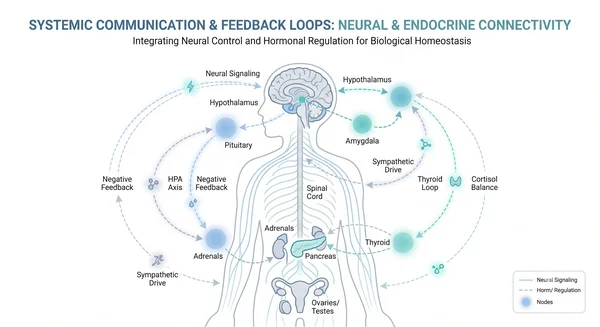
Psychological Frameworks: How Do Cognitive Triggers Lower Mood?
Cognitive Distortions and the Exhaustion of Negative Rumination Loops
Your internal cognitive style acts as a primary lens for how you interpret daily reality. When an individual becomes vulnerable to the various factors causing depression, they often develop cognitive distortions. These are biased, automated thinking patterns that reinforce negative core beliefs about oneself and the world. For example, "catastrophizing" makes minor setbacks look like total unavoidable failures. Meanwhile, "black-and-white thinking" eliminates any middle ground, forcing you to view life through an all-or-nothing perspective. These distortions fuel negative rumination loops, where you find yourself replaying mistakes repeatedly in your mind. This constant mental replay drains your psychological energy, making everyday coping feel entirely impossible.
Learned Helplessness and Its Restrictive Impact on Personal Agency
Learned helplessness occurs when you experience prolonged, unpredictable stress that feels entirely outside your control. Over time, your brain adapts to this environment by assuming that no action you take will ever change your outcome. This psychological state severely restricts your personal agency and squashes your problem-solving motivation. Even when positive opportunities, lifestyle adjustments, or genuine solutions appear, you might feel too paralyzed to try them. This internal sense of defeat is a powerful psychological factor causing depression. It transforms manageable situational difficulties into a pervasive, heavy feeling of permanent entrapment.
The Role of Early Life Experiences in Shaping Adult Stress Patterns
早期经历 sets the foundational architecture for how your nervous system handles adult stress patterns. Exposure to childhood trauma, chronic family instability, or emotional neglect can permanently alter how your brain perceives safety. When a child grows up in an unpredictable environment, their nervous system matures in a state of constant survival mode. As an adult, this hyper-vigilant baseline persists automatically. You might find that your emotional resilience breaks down much faster than others when facing standard adult stressors. This happens simply because your foundational coping mechanisms were compromised during critical developmental stages.
Environmental Pressures: How Do Stressful Life Events Disrupt Resilience?
Significant Life Alterations, Disruption, and Acute Personal Loss
External events frequently serve as the immediate situational trigger for a profound emotional decline. Experiencing a major stressful life eve, such as the loss of a loved one, a sudden divorce, or a severe financial crisis, can instantly overwhelm your coping capacity. These events abruptly disrupt your daily routines, strip away your social support systems, and challenge your core sense of identity. When multiple life alterations occur simultaneously, their impact compounds heavily. The sheer volume of adaptation required can shatter your typical emotional resilience, leaving you feeling completely untethered from your normal anchors.
Environmental Overload and the Mechanics of Seasonal Affective Shifts
Your physical surroundings can also dictate your internal emotional weather over weeks and months. Environmental overload, such as living in a high-crime area, enduring extreme noise pollution, or facing long-term poverty, creates a steady stream of background stress. Furthermore, natural shifts in your physical environment can trigger specific seasonal vulnerabilities. During colder, darker months, the drastic reduction in natural sunlight disrupts your internal circadian rhythm and lowers melatonin production. This environmental shift can trigger what causes seasonal depression, showing how deeply our moods are connected to the physical world around us.
The Compounding Weight of Prolonged Social Isolation
Human beings are biologically wired for community connection and mutual safety. When you endure prolonged social isolation, your brain perceives this lack of connection as a chronic, low-level threat to survival. Isolation deprives you of the practical validation, shared joy, and emotional comfort that social circles naturally provide. Without these external stabilizers, your internal worries can easily spin out of control into negative narratives. The compounding weight of loneliness acts as a massive environmental risk factor, quietly eroding your emotional baseline until a deep sense of alienation sets in.
Actionable Component: The Environmental Stressor Checklist
To identify which external pressures might be straining your emotional baseline, review the lifestyle checklist below.
| Life Domain | Common Environmental Stressors | Current Impact Level (Low / Med / High) |
|---|---|---|
| Relationships | Recent loss, ongoing conflict, or lack of close friends | |
| Occupational | Job insecurity, long hours, or toxic work environment | |
| Surroundings | Lack of natural sunlight, long commutes, or high noise | |
| Financial | Debt pressures, unexpected bills, or budget limits |
The Interplay: Can Long-Standing Anxiety and Stress Lead to Depression?
The Biological Bridge Connecting Stress, Anxiety, and Mood Drops
Sustained emotional struggle rarely stays confined to one neat psychological category. If you live with long-standing anxiety, your body remains under constant physiological stress. This ongoing anxiety keeps your sympathetic nervous system activated, regularly flooding your bloodstream with adrenaline and cortisol. Over time, this over-activation wears down the biological bridge connecting your emotions. The brain eventually exhausts its chemical reserves while trying to manage constant worry and hyper-vigilance. As a result, the frantic, high-strung energy of anxiety can give way to the heavy, flat exhaustion of a depression cause.
How Does Chronic Burnout Act as a Potential Risk Factor for Lower Emotional States?
Chronic occupational or academic burnout is a powerful catalyst for a shifting emotional baseline. When you push your mind and body past their natural limits without adequate recovery, your stress response system suffers. Burnout systematically dismantles your enthusiasm, motivation, and physical energy through prolonged overproduction of stress chemicals. This state of severe depletion changes how you perceive your worth and personal efficacy. If your chronic burnout goes unaddressed, it can easily transition into a deeper mood decline, proving that prolonged external pressure can reshape your internal psychological health.
Exploring the Cumulative Cycle: From Daily Stress to Emotional Exhaustion
The journey toward deep sadness is often cumulative rather than instantaneous. It builds through small, unmanaged daily challenges rather than one massive, identifiable crisis. The cycle begins when daily stress goes unresolved, leading to chronic anxiety and hyper-worry. This anxiety disrupts your sleep and cognitive focus, causing further errors, frustrations, and social withdrawal. Eventually, this cumulative cycle results in total emotional exhaustion. To understand how these interconnected dimensions are impacting your life, it is helpful to use a standard resource like the DASS-21 online test for a multi-dimensional emotional overview.
Causes versus Effects: Does Depression Cause Fatigue, Insomnia, or Memory Loss?
Somatic Cycles: Sleep Disturbances and Prolonged Vitality Deficits
When analyzing a depression cause, it is crucial to untangle the complex relationship between symptoms and origins. For instance, does depression cause fatigue, or does chronic fatigue trigger low mood? The answer lies in a bidirectional somatic cycle. A drop in mood alters your brain chemistry, directly disrupting your sleep architecture and causing persistent insomnia. Conversely, missing out on deep, restorative sleep prevents your brain from regulating your emotions effectively the next day. This sleep deficit creates a prolonged vitality deficit that deepens your sadness, locking you into a tight physical loop.
Cognitive Impact: Neurological Stress and Temporary Memory Retention Issues
Many individuals are alarmed to find that emotional distress severely impairs their thinking and memory. You might struggle to focus on basic tasks, experience severe brain fog, or notice temporary memory loss in your daily life. These cognitive issues occur because chronic neurological stress impairs your prefrontal cortex, the area responsible for executive function. Your brain becomes so consumed with processing emotional pain that it lacks the resources to manage short-term memory retention. Recognizing that this cognitive impact is a biological byproduct of your condition can help ease the anxiety of experiencing it.
Drawing the Line: How Emotional Burnout Differs from Enduring Mood Shifts
Because somatic and cognitive symptoms look similar across different conditions, it is important to draw a clear line between temporary burnout and enduring mood shifts. The table below outlines how these states typically differ in scope and recovery.
| Feature | Emotional Burnout | Enduring Mood Shift (Depression) |
|---|---|---|
| Primary Trigger | Prolonged work, academic, or situational overload | A complex mix of biology, psychology, and life events |
| Scope of Impact | Confined mainly to the stressful environment | Pervasive; colors almost every area of your daily life |
| Response to Rest | Symptoms improve noticeably with time off and boundaries | Low mood persists despite rest or environmental changes |
Mapping: How to Evaluate Your Current Emotional Load
Recognizing the Shift: When Does Daily Worry Become an Emotional Overload?
Everyone experiences periods of sadness, worry, and stress. However, it is essential to recognize when daily worry crosses the line into a severe emotional overload. Watch closely for shifts in duration and pervasiveness. If your low mood lasts for more than two consecutive weeks and impacts your ability to work, maintain relationships, or care for your physical health, it is a clear sign that your stress response system is overwhelmed. Identifying these patterns early allows you to seek support before the cycle deepens.
Utilizing the DASS-21 Framework for Multi-Dimensional Self-Reflection
To move beyond vague, overwhelming feelings, you need an objective way to organize your insights. The DASS-21 framework offers a structured approach to self-reflection. Instead of viewing your distress as a single diagnostic label, this system looks at stress, anxiety, and depression as three distinct, measurable dimensions of your experience. This multi-dimensional snapshot helps you see exactly where your emotional load is heaviest, allowing you to track your patterns over time and discuss them clearly with professionals.
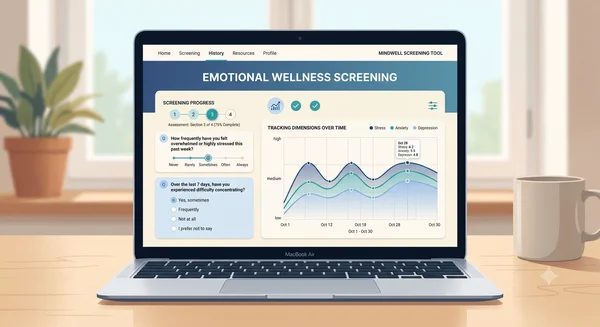
Actionable Component: The Multi-Dimensional Reflection Guide
If you want to transition from passive reading to active self-observation, use this simple three-step guide to assess your current emotional load.
- Observe Your Patterns: Reflect on your emotional experiences and baseline energy over the past seven days.
- Categorize Your Triggers: Note whether your primary challenges stem from physical exhaustion, anxious worry, or situational low mood.
- Map Your Baseline: Use a standard, anonymous screening tool to visualize your trends and create a clear baseline for your emotional well-being.
Your Next Steps Toward Clarity and Self-Understanding
Discovering the root causes of emotional distress is a powerful first step toward reclaiming your well-being. Whether your current challenges stem from biological sensitivities, cognitive habits, or environmental pressures, remember that your emotional state is dynamic and trackable. To summarize what we have explored:
- Biology and Psychology Intercomplicate: Your brain chemistry, genetic vulnerabilities, and cognitive habits all shape your daily resilience.
- Environment Plays a Key Role: Acute life changes and chronic background stressors can overload your internal coping systems.
- Symptoms Feed into Each Other: Sleep deficits, fatigue, and low mood create feedback loops that require active self-reflection to break.
To translate this general guide into personal awareness, consider taking a few moments to check your recent patterns. Measuring your baseline can provide structural clarity for your wellness journey. If you wish to build a reliable snapshot of your past week, you can access the DASS-21 framework for multi-dimensional self-reflection to support your ongoing journey.
Disclaimer: This article and the associated screening resources are provided strictly for educational and informational purposes. They do not constitute, and should never replace, professional medical advice, clinical diagnosis, or treatment. If you are experiencing severe, persistent distress that disrupts your daily functioning, please reach out to a qualified healthcare professional or a mental health specialist.
8. Frequently Asked Questions About Depression Causes
What are 10 of the most common documented causes of depression?
The onset of persistent low mood typically stems from a combination of these ten well-documented risk factors:
- Inherited genetic traits and a family history of mood disorders.
- Neurotransmitter network vulnerabilities within the brain.
- Chronic endocrine imbalances, including thyroid or adrenal irregularities.
- Early childhood adversity, trauma, or developmental neglect.
- Maladaptive cognitive styles, including chronic negative rumination.
- Acute life adjustments, such as bereavement or sudden job loss.
- Prolonged social isolation and a lack of emotional support.
- Socioeconomic instability or high-stress living environments.
- Disrupted circadian rhythms caused by seasonal sunlight reductions.
- Long-term sleep disturbances like chronic insomnia.
Can a lack of sleep cause depression?
Yes, a chronic lack of sleep can actively contribute to the development of a low mood. Sleep deprivation directly disrupts the function of your amygdala and prefrontal cortex, which impairs your ability to regulate daily emotions. Additionally, missing out on deep sleep prevents your brain from replenishing essential neurotransmitters, leaving you more vulnerable to emotional exhaustion.
What is the difference between a clinical cause and a situational emotional dip?
A clinical cause involves long-term biological, genetic, or systemic vulnerabilities that keep your emotional baseline low, regardless of your immediate surroundings. In contrast, a situational emotional dip is a temporary response to a direct external event, like a minor argument or a disappointing day. Situational dips typically lift once the event passes or when you change your environment.
How do professionals distinguish between normal sadness and an overload of stressors?
Mental health professionals evaluate several key criteria to distinguish between normal sadness and an emotional overload. They assess the duration of your symptoms, checking if they persist for more than two consecutive weeks. They also measure the intensity of your distress and look at your level of functional impairment, determining whether the symptoms prevent you from managing work, relationships, or daily self-care.
Why do people often experience high anxiety and deep sadness simultaneously?
Anxiety and deep sadness frequently co-occur because they share overlapping genetic pathways and neurological circuits within the brain. When your system undergoes chronic stress or prolonged anxiety, it drains your emotional reserves and alters your neurotransmitter function. This physiological depletion eventually opens the door to a severe drop in mood, causing you to experience both states at the same time.