Food for Depression and Stress: Gentle Nutrition Ideas for Emotional Balance
When mood feels low and stress stays high, food can become confusing. Some people crave quick sugar or caffeine; others lose interest in eating at all. Searching for food for depression and stress usually means you want practical choices that feel possible, not a perfect diet or a promise that one meal can fix everything. Nutrition is only one part of emotional well-being, alongside sleep, movement, relationships, medical care when needed, and self-reflection. If you want a structured way to notice recent depression, anxiety, and stress patterns, a private DASS-21 self-check can sit alongside daily notes about meals, energy, and mood.
How Food Can Support Mood Without Overpromising
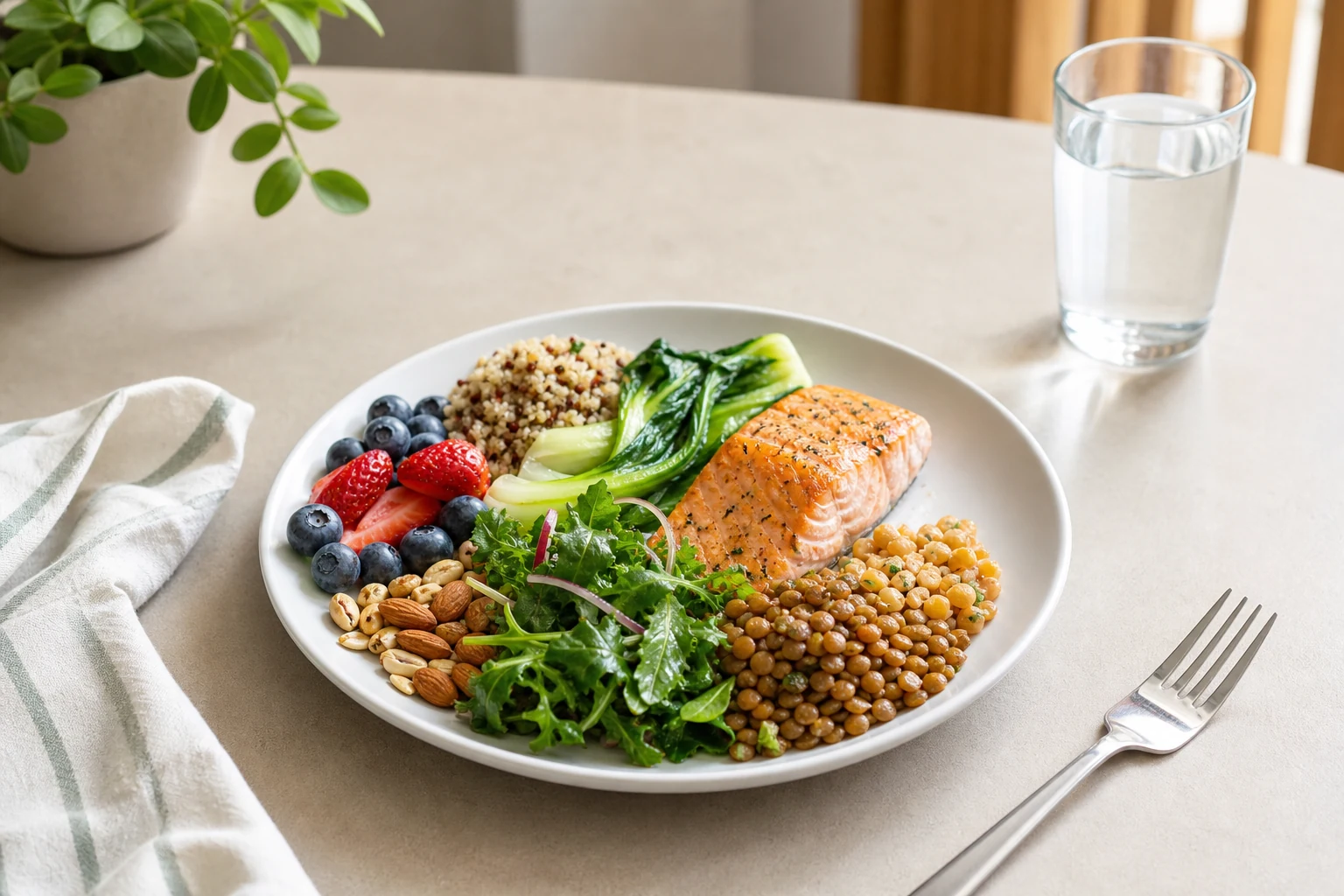
Food affects the body systems that also influence mood: blood sugar, inflammation, gut health, sleep quality, and the nutrients used to build neurotransmitters. That does not mean a food can replace therapy, medication, or support from a qualified professional. It means daily eating patterns may either make emotional regulation easier or add extra strain.
One useful way to think about food is "steady support." A meal with protein, fiber-rich carbohydrates, healthy fats, and colorful plants tends to digest more slowly than a sweet drink or refined snack. That steadier digestion may help reduce the sharp energy swings that can leave some people feeling shaky, irritable, foggy, or more reactive to stress.
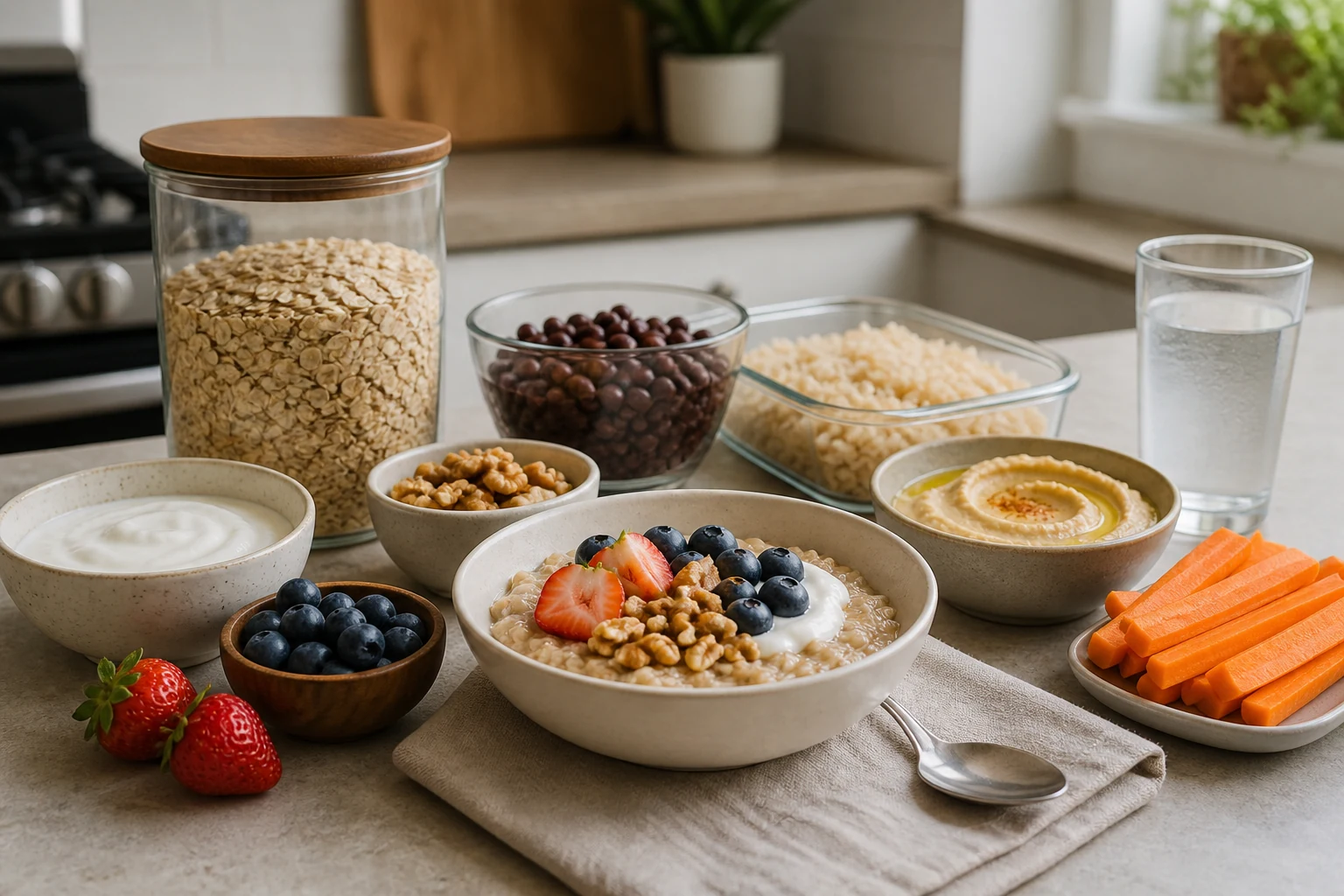
The best food for depression and stress is usually not a single superfood. It is a repeatable pattern: enough food, enough variety, and enough ease that you can keep doing it during real life. For someone in a low-motivation period, a bowl of oatmeal with walnuts and berries may be more useful than an elaborate meal plan that never happens.
Best Foods for Stress and Depression to Build Meals Around
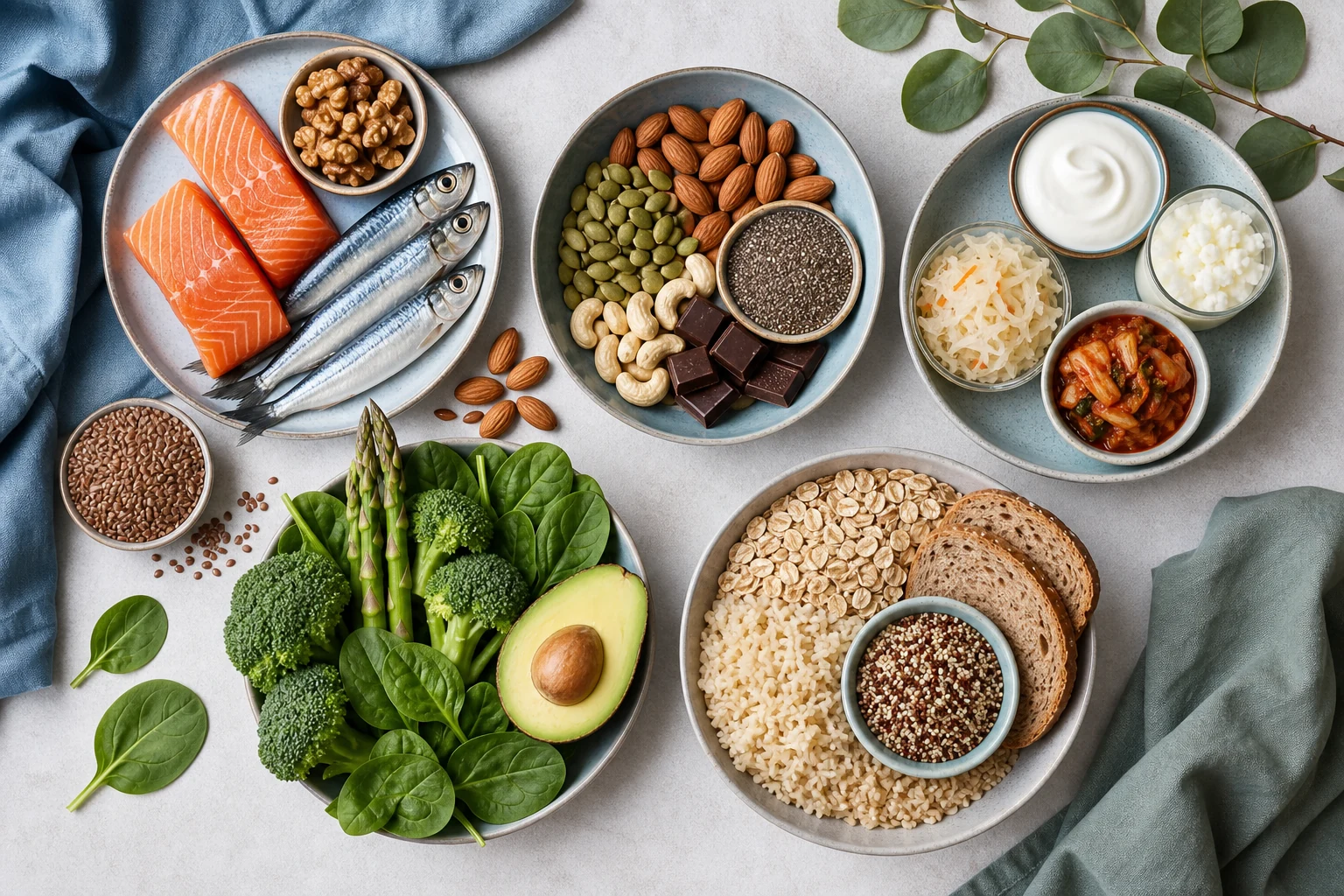
The most helpful choices tend to be simple foods that bring several nutrients at once. Use this list as a flexible grocery guide, not a strict prescription.
Fatty fish, walnuts, chia, and flax
Salmon, sardines, trout, walnuts, chia seeds, and ground flaxseed provide omega-3 fats. These fats are often discussed because they play roles in brain cell membranes and inflammatory pathways. If you do not eat fish, plant sources can still add useful fats and fiber, though they are not identical to marine omega-3s.
Beans, lentils, oats, and whole grains
Beans, lentils, oats, brown rice, quinoa, and whole-grain bread bring fiber and slower-digesting carbohydrates. They can help meals feel more filling and may support steadier energy. They are also budget-friendly and easy to batch cook, which matters when stress is already using up your decision-making capacity.
Leafy greens, berries, citrus, and colorful vegetables
Spinach, kale, broccoli, peppers, tomatoes, berries, oranges, and other colorful plants provide folate, vitamin C, polyphenols, and other antioxidants. A simple rule is to add one color to meals you already eat. Frozen berries in yogurt, spinach in eggs, or broccoli with rice all count.
Yogurt, kefir, kimchi, and other fermented foods
Fermented foods can support gut microbiome diversity. The gut-brain connection is complex, and it should not be simplified into "eat this and feel happy." Still, for people who tolerate them well, unsweetened yogurt, kefir, sauerkraut, kimchi, miso, or tempeh can be useful additions.
Eggs, poultry, tofu, and other protein foods
Protein helps with fullness, blood sugar steadiness, and the amino acids your body uses for many functions. Eggs, poultry, fish, tofu, tempeh, beans, Greek yogurt, cottage cheese, and lean meats can all fit. If appetite is low, smaller protein portions more often may feel easier than one large meal.
The point is not to chase every nutrient every day. It is to build meals from a few reliable pieces. A structured emotion check-in can help you notice whether changes in eating, sleep, and stress are happening alongside changes in how you feel over the past week.
Foods and Drinks That May Add Stress for Some People
No food needs to be treated as morally "bad." Stress eating is common, and shame rarely helps. It is more useful to notice which choices seem to make your own mood, energy, sleep, or anxiety feel harder.
Caffeine is a common example. Coffee or tea may feel helpful in the morning, but too much caffeine, caffeine on an empty stomach, or caffeine late in the day can increase jitteriness or disturb sleep. If you suspect caffeine is part of the pattern, try reducing the amount gradually instead of stopping suddenly.
Alcohol can also be tricky. Some people use it to unwind, but it can fragment sleep and affect mood the next day. If alcohol has become a main coping tool, that is a sign to seek more support, not a reason to blame yourself.
Large amounts of added sugar or refined carbohydrates may lead to quick energy followed by a crash for some people. A practical middle ground is pairing sweet foods with protein, fiber, or fat. For example, chocolate with nuts, toast with peanut butter, or fruit with yogurt may feel steadier than sweets alone.
Ultra-processed foods are not automatically harmful in every serving, and convenience foods can be useful during hard weeks. The question is whether they are crowding out enough protein, plants, fluids, and fiber to keep you functioning.
Simple Meal Ideas When Motivation Is Low
Low mood and stress can make cooking feel larger than it is. The goal is to reduce friction. Think in templates rather than recipes.
The three-part plate
Choose one protein, one fiber-rich carbohydrate, and one color. That could be eggs, whole-grain toast, and spinach; beans, rice, and salsa; tuna, crackers, and cucumber; or tofu, noodles, and frozen vegetables. This template works because it gives your body several kinds of support without requiring culinary energy.
The no-cook option
No-cook meals are valid. Greek yogurt with berries and walnuts, hummus with whole-grain pita and carrots, cottage cheese with tomatoes, or a peanut butter banana sandwich can be enough when the alternative is skipping food completely.
The emergency shelf
Keep a small set of shelf-stable foods for difficult days: oats, canned beans, lentil soup, tuna or salmon packets, nut butter, trail mix, whole-grain crackers, and microwave rice. Add frozen vegetables or fruit if you can. This is not about perfection; it is about making the next good choice easier.
Small Things That Help Depression and Stress Alongside Food
Food works best as part of a wider support system. If you are having a difficult week, choose one or two small actions instead of trying to overhaul your whole routine.
Drink water early in the day. Step outside for daylight if it is available. Eat something with protein before relying on caffeine. Put one fruit or vegetable where you can see it. Reduce the gap between meals if long gaps leave you shaky or overwhelmed. Write down one sentence about mood, sleep, stress, and what you ate, without judging it.
Movement can help, too, but it does not need to be intense. A short walk, gentle stretching, or standing outside for five minutes may be enough to shift the day slightly. If symptoms feel persistent, severe, or are affecting safety, work, school, relationships, or basic care, a qualified healthcare professional can help you choose next steps.
Use Food Notes Alongside Mood Self-Reflection
Food for depression and stress is most useful when it becomes information, not pressure. For one week, you might track four simple things: approximate meal timing, caffeine or alcohol, sleep, and a 1 to 10 rating for mood or stress. Look for patterns gently. Did skipping lunch make the afternoon harder? Did a balanced breakfast help? Did late caffeine affect sleep?
This kind of note-taking can pair well with a DASS-21 reflection tool, which is designed for education and self-observation around depression, anxiety, and stress experiences. It is not a clinical assessment, and it cannot tell you what treatment you need. But it can give you a clearer snapshot to discuss with a professional or to use when planning small, supportive changes.

FAQ
What foods are good for depression?
Foods that may support overall mood include fatty fish, beans, lentils, oats, whole grains, leafy greens, berries, citrus fruits, nuts, seeds, yogurt, kefir, eggs, tofu, and other protein-rich foods. The goal is a steady pattern of meals with protein, fiber, healthy fats, and colorful plants. Food is supportive, but it is not a replacement for professional mental health care when symptoms are persistent or intense.
What is the best food for depression and stress?
There is no single best food. A practical "best" choice is one you can actually eat regularly and that combines several helpful features. Examples include oatmeal with walnuts and berries, salmon or tofu with rice and vegetables, lentil soup with whole-grain toast, or Greek yogurt with fruit and seeds. Consistency usually matters more than chasing one perfect ingredient.
What are some small things I can do to help with depression?
Small steps can include eating something with protein in the morning, drinking water, getting daylight, taking a brief walk, reducing long gaps between meals, writing down one mood note, and contacting someone supportive. If low mood continues, feels severe, or affects safety or daily functioning, it is important to reach out to a qualified healthcare professional or local crisis support.
How can I fight depression and anxiety with food?
It is safer to think of food as support rather than a fight. Try steady meals, enough protein, fiber-rich carbohydrates, colorful plants, omega-3 sources, and fermented foods if you tolerate them. Consider reducing caffeine or alcohol if they worsen sleep or anxiety. Food can lower some daily strain, but anxiety and depression often need broader support.
What drink is good for depression?
Water is the best starting point because dehydration can worsen fatigue and concentration. Unsweetened tea, milk, fortified milk alternatives, kefir, or smoothies with protein and fruit can also fit. Be cautious with high-caffeine drinks, energy drinks, and alcohol, especially if they affect sleep, anxiety, or next-day mood.
Can changing my diet replace therapy or medication?
No. Eating patterns can support physical and emotional well-being, but they should not replace therapy, medication, medical advice, or urgent help when those are needed. If you are already receiving care, talk with your clinician before making major diet changes, especially if you have a medical condition, eating disorder history, pregnancy, medication interactions, or restrictive dietary needs.