Evidence-Based Techniques to Address High DASS21 Scores
Receiving a high score on the DASS21 assessment can feel overwhelming. You might be wondering, "What do these results mean, and what can I do about them?" It's a valid question, and the answer is more empowering than you think. Seeing elevated scores for depression, anxiety, or stress isn't a final verdict; it's the first step toward understanding your emotional health and making positive changes.
This guide offers practical, science-backed strategies to help you manage your feelings. Whether your concerns lie with depression, anxiety, or stress, these techniques provide a clear path forward. If you haven't taken the test yet or want to establish a baseline, you can start your test for free on our platform. Understanding your results is your first step toward feeling better—and taking action is what follows.
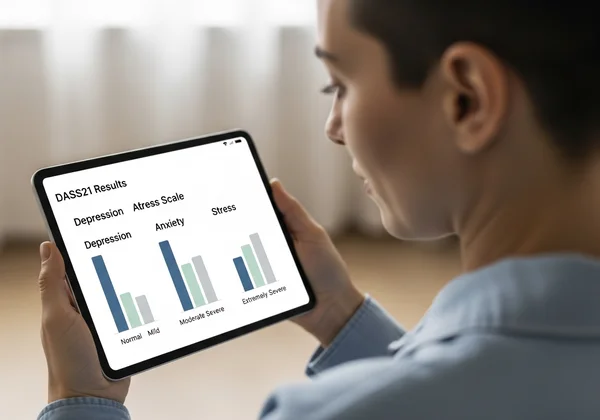
Understanding Your DASS21 Results
Before diving into solutions, it’s crucial to understand what your scores indicate. The DASS21 is a self-assessment tool that measures the severity of symptoms related to three distinct emotional states. It is not a diagnostic tool, but it provides valuable insights into what you've been experiencing over the past week. You can learn more about DASS21 score interpretation on our site.
Interpreting Depression Subscale Scores
A high score on the depression subscale often relates to feelings of hopelessness, low self-esteem, and a lack of interest or pleasure in daily activities. It reflects a state of low positive affect. You might notice that things you once enjoyed no longer bring you joy, or that you feel persistently down. Recognizing these patterns is the first step toward addressing them directly.
Managing Anxiety Subscale Results
The anxiety subscale measures physiological arousal, such as a racing heart, shakiness, or a dry mouth. It also captures the psychological experience of fear and panic. If your anxiety score is high, you may be experiencing a constant state of worry or feeling "on edge." These symptoms can be disruptive, but they are manageable with the right approach.
Addressing Elevated Stress Levels
Elevated stress scores point to feelings of nervous tension, irritability, and being easily agitated. This subscale reflects a state of persistent over-arousal and difficulty relaxing. You might feel overwhelmed by daily demands and find yourself reacting strongly to minor frustrations. These feelings signal that your internal resources are being strained.
Cognitive-Behavioral Strategies for DASS21 Improvement
Cognitive-Behavioral Therapy (CBT) is highly effective for managing depression, anxiety, and stress. This approach recognizes that our thoughts, feelings, and behaviors are interconnected. By changing negative thought patterns, we can positively change how we feel and act.
Thought Restructuring Techniques for Depression Relief
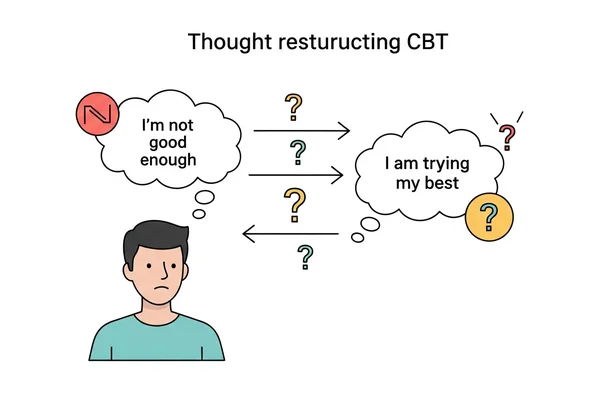
High depression scores often indicate negative thought patterns. A CBT technique called 'thought restructuring' can help. It allows you to identify, challenge, and replace these thoughts with more balanced alternatives.
- Identify the Negative Thought: Notice when you have a self-critical or hopeless thought, such as "I'll never be good enough."
- Challenge the Thought: Ask yourself for evidence. Is this thought 100% true? Is there another way to look at this situation?
- Replace with a Balanced Thought: Create a more realistic and compassionate alternative, like "I am trying my best, and that is enough. I can learn and grow from my mistakes."
Practicing this regularly can weaken the hold of negative thinking.
Exposure Practices for Anxiety Reduction
Anxiety commonly leads to avoidance behaviors. We avoid situations that trigger fear, which actually reinforces anxiety over time. Exposure therapy helps by gradually facing these feared situations in manageable steps. For example, if social situations cause anxiety, you could start by simply making eye contact with a cashier, then progress to having a short conversation. This teaches your brain that the feared outcome is unlikely and that you can handle the discomfort.
Time Management and Boundary Setting for Stress Control
High stress is often linked to feeling overwhelmed and out of control. Effective time management and clear personal boundaries are powerful CBT-based tools. For additional resources, explore our article on stress management techniques.
- Prioritize Tasks: Use a simple method like the Eisenhower Matrix to separate tasks into urgent/important categories. Focus on what truly matters.
- Set Boundaries: Learn to say "no" to requests that overextend your capacity. Politely protecting your time and energy is not selfish; it's essential for managing stress.
These structural changes reduce the external pressures that contribute to high stress scores.
Mindfulness and Relaxation Approaches
Mindfulness and relaxation techniques are proven methods for calming the nervous system and improving emotional regulation. They help you stay grounded in the present moment rather than getting lost in worries about the future or regrets about the past.
Mindfulness Meditation for Emotional Regulation
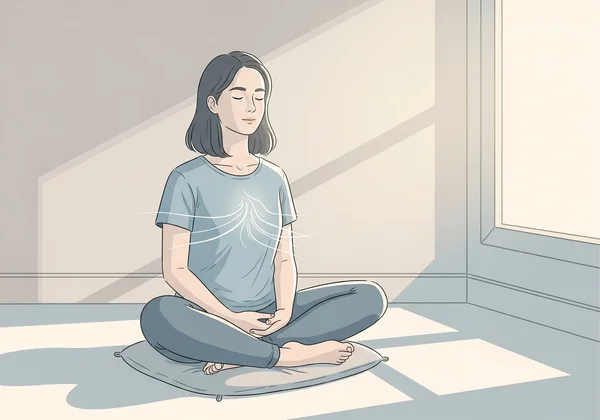
Mindfulness meditation involves focusing on your breath and observing your thoughts and feelings without judgment. Even 5-10 minutes a day can make a difference. Find a quiet space, close your eyes, and pay attention to the sensation of your breath entering and leaving your body. When your mind wanders (which it will), gently guide it back to your breath. This practice builds the "muscle" of awareness and helps you respond to emotions more thoughtfully.
Breathing Exercises to Counteract Anxiety Symptoms
When you feel anxious, your breathing often becomes shallow and rapid. Slow, deep breathing can reverse this physiological response. A simple technique is "Box Breathing":
- Inhale slowly for a count of four.
- Hold your breath for a count of four.
- Exhale slowly for a count of four.
- Hold your breath for a count of four.
Repeat this cycle for several minutes to calm your nervous system.
Progressive Muscle Relaxation for Stress Reduction
Stress creates physical tension in the body. Progressive Muscle Relaxation (PMR) is a technique that involves tensing and then relaxing different muscle groups. Starting with your toes, tense them for five seconds, then release the tension for thirty seconds, noticing the difference. Work your way up through your legs, torso, arms, and face. This practice helps you become more aware of physical tension and gives you a direct method for releasing it.
Lifestyle Modifications That Support DASS21 Recovery
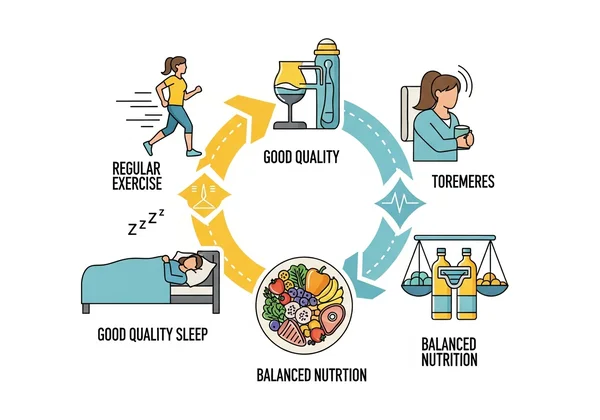
Your daily habits have a profound impact on your mental well-being. Simple, consistent changes in exercise, sleep, and nutrition can significantly improve your DASS21 scores and overall quality of life. Making these adjustments is a powerful form of self-care. Regular monitoring can be done through our progress tracking tool.
Exercise Recommendations Based on Your Subscale Results
Physical activity is a powerful mood booster. For depression, rhythmic aerobic exercises like jogging, swimming, or cycling can be particularly effective. For anxiety and stress, activities that combine movement with mindfulness, such as yoga or tai chi, can help calm the mind and body. The goal is consistency, not intensity. Aim for 30 minutes of moderate activity most days of the week.
Sleep Optimization Strategies for Depression and Anxiety
Poor sleep worsens depression and anxiety, and vice versa. To break this cycle, prioritize sleep hygiene:
- Consistent Schedule: Go to bed and wake up around the same time every day, even on weekends.
- Relaxing Routine: Create a calming pre-sleep ritual, such as reading a book, taking a warm bath, or listening to quiet music.
- Optimize Your Environment: Keep your bedroom dark, cool, and quiet. Avoid screens (phones, TVs) for at least an hour before bed.
Nutrition Guidelines That Impact Stress and Mood
What you eat directly affects your brain chemistry. To support your mental health, focus on a balanced diet rich in whole foods. Include plenty of fruits, vegetables, lean proteins, and complex carbohydrates. Omega-3 fatty acids (found in fish and flaxseeds) have been shown to support brain health, while limiting caffeine, sugar, and processed foods can help stabilize your mood and energy levels.
Moving Forward with Your Personalized DASS21 Action Plan
Receiving high DASS21 scores is not a setback—it's a signpost pointing you toward greater self-awareness and healing. By understanding what your results mean and applying evidence-based strategies from CBT, mindfulness, and healthy lifestyle changes, you can actively work to improve your emotional well-being.
Begin with just one or two techniques that resonate with you, and stick with them. You don't have to implement everything at once. Tracking your progress is a fantastic way to stay motivated. We encourage you to return to dass21.com to retake the assessment periodically. Seeing your scores change over time provides concrete feedback that your efforts are making a difference. For continued progress monitoring, our tracking dashboard can help you visualize improvements over time.
The Takeaway
How often should I retake the DASS21 assessment to track my progress?
It's generally recommended to retake the assessment every 2 to 4 weeks. This interval is long enough to allow for meaningful changes from the strategies you're implementing but short enough to provide regular feedback. Consistent tracking can help you see what's working. You can always get a quick, confidential update on your progress by taking our free DASS21 test.
Can these techniques replace professional treatment for severe DASS21 scores?
No. These techniques are powerful self-help tools but are not a substitute for professional medical advice, diagnosis, or treatment, especially for scores in the severe or extremely severe range. If your scores are high or you are in significant distress, it is crucial to consult with a qualified mental health professional or doctor who can provide a comprehensive evaluation and treatment plan.
What should I do if my DASS21 scores don't improve after implementing these strategies?
If your scores remain high or worsen after consistently trying these techniques for several weeks, it's a strong sign that you could benefit from professional support. A therapist or counselor can offer personalized guidance and explore other treatment options with you. Don't be discouraged; seeking help is a sign of strength.
How long does it typically take to see improvements in DASS21 scores?
The timeline for improvement varies for everyone. Some people may notice small changes within a few weeks of consistent practice, while for others it may take longer. The key is patience and consistency. Celebrate small victories and focus on the process of building healthier habits rather than just the final scores.
Are there any risks associated with self-managing high DASS21 scores?
The main risk is delaying or avoiding professional help when it is needed. If your symptoms are severe, persistent, or interfere with your daily life (work, school, relationships), self-management alone may not be sufficient. Always use the DASS21 as a guide for self-awareness, not as a replacement for professional care.