Depression and Stressful Life Events: What the Link Means and What to Watch
Depression and stressful life events are often linked in real life, but the link is not as simple as one event automatically leading to a depressive condition. A loss, breakup, illness, job change, financial strain, family conflict, or move can place heavy demands on mood, sleep, energy, attention, and relationships. For some people, symptoms ease as support and routines return. For others, distress lasts longer or begins to interfere with daily functioning. If you want a structured starting point for reflecting on depression, anxiety, and stress over the past week, a structured mood screening tool can help you organize what you notice without replacing professional care.
This guide explains how stressful life events may be related to depression symptoms, what patterns are worth watching, and how to respond in a careful, low-pressure way.
Why stressful life events can affect depression
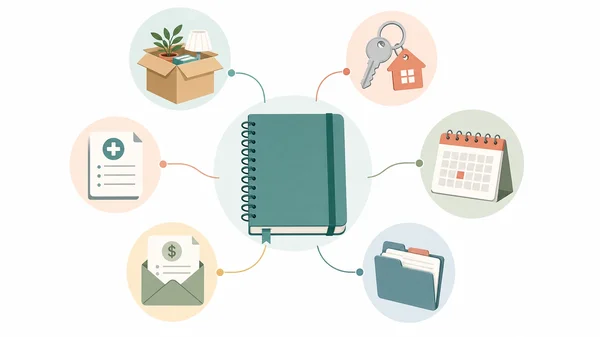
A stressful life event is any major change or demand that strains your coping resources. Some events are sudden and acute, such as bereavement, an accident, a relationship ending, a job loss, or a frightening medical result. Others are ongoing difficulties, such as caregiving pressure, debt, unstable housing, workplace conflict, discrimination, chronic pain, or repeated family stress.
Research reviews generally find an association between stressful life events and later depressive symptoms, but they also warn against oversimplifying cause and effect. Depression has many possible contributors: biological vulnerability, earlier adversity, current support, health conditions, sleep disruption, substance use, personality patterns, and the meaning a person gives to the event. A stressful event can be one part of that picture, not the whole explanation.
The timing also matters. An acute event may raise distress quickly, while chronic difficulties can wear down energy over months. Repeated pressure may reduce the time and motivation needed for self-care, social contact, and problem solving. That is one reason two people can face a similar event and have very different emotional outcomes.
How stressful life events can be related to depression symptoms
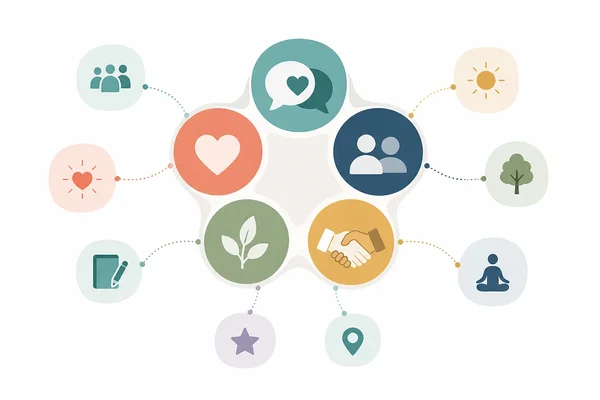
Stressful life events can influence mood through several overlapping pathways. Understanding these pathways can make the experience feel less mysterious and may help you choose a next step.
Stress can narrow attention and energy
When something important changes, the body and mind often shift into problem-solving mode. You may scan for risks, replay conversations, sleep lightly, feel tense, or struggle to focus. In the short term, this response can help you adapt. Over time, it can become exhausting.
Depression-related symptoms may appear when stress leaves little room for recovery. Low energy, reduced pleasure, self-criticism, appetite changes, sleep changes, and difficulty concentrating can all become more noticeable. The event may not be the only factor, but it can be the point where your coping load becomes visible.
Loss and disruption can reduce protective routines
Many stressful life events remove ordinary anchors. A breakup may change daily contact and shared plans. Job loss may disrupt structure, income, identity, and sleep. Illness may limit movement and independence. Bereavement may change the shape of home life. Even positive changes, such as starting school, relocating, or becoming a parent, can still be stressful because they require adjustment.
Protective routines often look modest: meals, daylight, movement, medication routines, sleep timing, social contact, and small responsibilities. When those routines collapse, mood can drop further. This does not mean you are failing. It means the event may have changed the support system your mood was leaning on.
Isolation can deepen the stress-depression cycle
A common reaction to stress is withdrawal. You may not want to explain what happened, feel too tired to reply, or worry that others will not understand. Some solitude can be healthy, but long periods of isolation can make low mood feel more fixed. Without outside contact, thoughts may loop more easily, and practical problems may feel larger than they are.
The NHS and other health resources often highlight social withdrawal as a risk amplifier after stressful events. Support does not have to mean telling everyone everything. It can begin with one person, one appointment, one message, or one practical request.
Earlier adversity may increase stress sensitivity
Some people feel hit harder by current stressful events because of earlier experiences. Childhood emotional abuse, repeated criticism, neglect, trauma, bullying, or previous depressive episodes may shape how the nervous system and self-beliefs respond to later stress. Research on stress sensitivity suggests that for some people, later events can trigger stronger depressive reactions when earlier adversity has already made stress feel unsafe or overwhelming.
This is not a character flaw. It is also not a fixed destiny. It is a reason to be gentle with yourself and to consider more support if your reaction feels intense, familiar, or difficult to interrupt.
A practical way to notice patterns after a stressful event
After a stressful event, the goal is not to label yourself. The goal is to observe what changed and whether the pattern is easing, holding steady, or getting worse. A DASS-21 self-screening experience can be one way to organize recent depression, anxiety, and stress signals, especially when your thoughts feel scattered.
Try a simple event-to-mood map:
| Area to notice | Useful question | Why it matters |
|---|---|---|
| Event load | What changed, and is it still ongoing? | Acute and chronic stress can affect mood differently. |
| Mood | Have sadness, emptiness, irritability, or numbness increased? | Depression can show up as more than sadness. |
| Interest | Am I avoiding things that usually matter to me? | Loss of interest can be an important signal. |
| Body rhythms | How are sleep, appetite, energy, and concentration? | Stress often reaches mood through daily rhythms. |
| Support | Who knows what I am carrying? | Isolation can make recovery harder. |
| Functioning | What is harder at work, school, home, or in relationships? | Interference with daily life suggests a need for more support. |
You can also use a seven-day check-in:
- Write down the main stressful event or ongoing difficulty.
- Note three mood or body changes you have noticed.
- Mark whether each change is improving, unchanged, or worsening.
- Identify one small stabilizing action for the next 24 hours.
- Decide who you could contact if things feel too heavy to handle alone.
Keep the check-in plain. You are collecting clues, not judging your worth.

What to do if a stressful life event is affecting your mood
The most useful response is often small, specific, and repeatable. After a major stressor, giant self-improvement plans can become another burden. Aim for steps that reduce pressure and restore basic support.
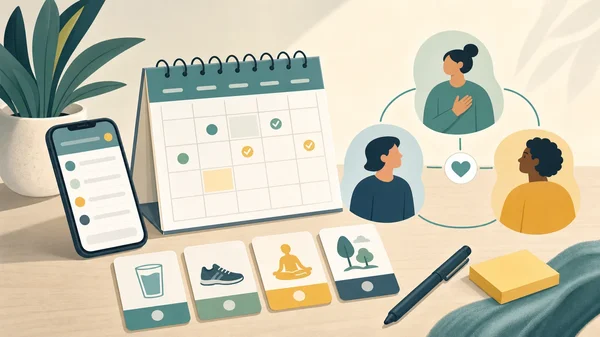
First, rebuild one daily anchor. Choose one routine that is realistic even on a low-energy day: getting out of bed at a consistent time, eating something simple, stepping outside for daylight, taking a short walk, or setting a sleep wind-down alarm. Mood often improves more slowly than routines, so the first win is not instant relief; it is a little more steadiness.
Second, reduce isolation. Send a brief message that does not require a long explanation: "I have had a hard week. Could we talk for ten minutes?" If talking feels too much, ask for a practical form of help, such as sharing a meal, handling an errand, or sitting together quietly.
Third, separate solvable tasks from pain that needs support. A job loss may involve resumes, bills, and applications, but it may also involve grief, shame, anger, or fear. Both parts matter. Practical action can help, but emotional support is not optional decoration.
Fourth, watch coping habits that can backfire. Alcohol, avoidance, doomscrolling, skipping meals, or sleeping at irregular hours may offer short relief while worsening mood later. You do not need perfection. You only need to notice which habits leave you more depleted.
When stressful life events and depression deserve extra support
Stressful life events deserve extra support when symptoms persist, intensify, or affect daily life. Consider speaking with a qualified health professional, counselor, or trusted local support service if low mood lasts for more than a couple of weeks, if sleep or appetite changes are significant, if work or school becomes hard to manage, if you feel detached from people you care about, or if you are relying heavily on alcohol or substances to get through the day.
Seek urgent help right away if you might harm yourself or someone else, feel unable to stay safe, or are experiencing a crisis. In the United States, you can call or text 988 for crisis support. If you are outside the United States, contact your local emergency number or crisis service.
DASS-21.com can support reflection, not clinical judgment. A private emotional check-in may help you notice whether depression, anxiety, and stress signals are rising after a life event, but a screening result should be treated as one piece of information. If the result worries you, or if your daily life is being affected, bring it to a qualified professional who can understand the full context.
FAQ
Can stressful life events cause depression?
Stressful life events can contribute to depression symptoms and may raise risk, especially when stress is severe, repeated, or combined with isolation, health problems, earlier adversity, or limited support. They do not affect everyone in the same way, and they are rarely the only factor.
What types of stressful life events are most related to depression?
Events involving loss, threat, major role change, illness, financial strain, relationship conflict, trauma, or ongoing uncertainty are commonly discussed in relation to depression symptoms. Chronic difficulties can be just as important as sudden events because they keep the stress response active over time.
How can stressful life events be related to depression if the event is over?
An event can end while its effects continue. You may still be dealing with grief, practical consequences, changed routines, social distance, debt, legal issues, medical follow-up, or a different sense of safety. Mood can respond to those after-effects as much as to the original event.
Is situational depression the same as major depression?
People often use "situational depression" to describe depressive symptoms that appear after a stressful or traumatic event. Major depression is a clinical condition assessed by a professional using symptom patterns, duration, impairment, history, and risk. If symptoms last, worsen, or disrupt daily life, professional support is worthwhile regardless of the label.
How long should low mood last after a stressful event?
There is no single normal timeline. Grief, adjustment, and stress reactions vary. It is a good idea to seek support if low mood is not easing after a couple of weeks, if it is getting worse, or if it affects sleep, appetite, work, school, relationships, or safety.
Can a screening tool tell me whether a life event caused my symptoms?
No. A screening tool can help you notice recent symptom patterns, but it cannot determine cause. Life events, health conditions, past experiences, sleep, substances, support, and other factors can all be involved. Use screening as a starting point for reflection or a conversation with a professional.
What is one first step if I feel worse after a stressful life event?
Choose one stabilizing action for the next day: contact one supportive person, restore one daily routine, write down your main symptoms, or schedule a professional conversation. Small steps are often more realistic than trying to solve the entire situation at once.