DASS-21 for Professionals: Clinical Use & Assessment Guide
In the demanding fields of mental health and human resources, professionals require tools that are not only efficient and reliable but also ethically sound and accessible. The Depression, Anxiety, and Stress Scale (DASS-21) has emerged as a cornerstone instrument for preliminary psychological screening. It offers a concise yet powerful method to gain initial insights into an individual's emotional state. For clinicians, counselors, and HR managers dedicated to fostering well-being, understanding how to leverage this tool is crucial. How can you effectively integrate a reliable screening tool into your practice?
This scale provides a quantitative measure across three distinct negative emotional states, enabling a more nuanced understanding than a general wellness check. On our platform, we provide a streamlined, confidential, and free tool to facilitate this process. This guide explores the practical applications of the scale for professionals, demonstrating how our online tool can enhance your clinical practice or employee wellness initiatives. We invite you to explore the free DASS-21 tool and see its potential firsthand.
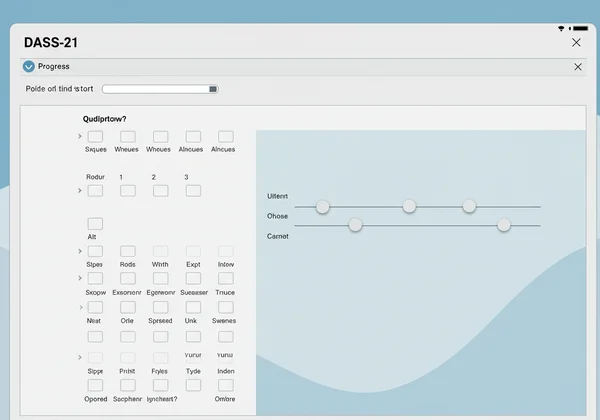
Integrating DASS-21 into Your Clinical Practice
For therapists, psychologists, and counselors, the scale serves as an invaluable ally in the therapeutic process. Its structured format provides objective data that can complement qualitative clinical observations, helping to build a comprehensive picture of a client's well-being from the very first session. This integration can streamline workflows and deepen the therapeutic alliance.
Ethical Considerations and Client Consent for DASS-21 Use
Before administering any assessment, ethical considerations are paramount. It is essential to obtain informed consent, clearly explaining to the client what the scale measures, why it is being used, and how their data will be handled. Emphasize that it is a screening tool, not a diagnostic one, and that the results are confidential. This transparency builds trust and empowers clients to be active participants in their mental health journey.
Initial Client Screening and Baseline Assessments with DASS-21
This assessment is exceptionally useful for initial client screening. During intake, it can provide a quick and reliable snapshot of a client's distress levels across depression, anxiety, and stress. These initial scores serve as a crucial baseline, helping you identify primary areas of concern and tailor your therapeutic approach from the outset. Using our platform, you can guide clients to start an assessment before their first appointment, saving valuable session time for deeper exploration.
Monitoring Progress and Treatment Effectiveness in Therapy
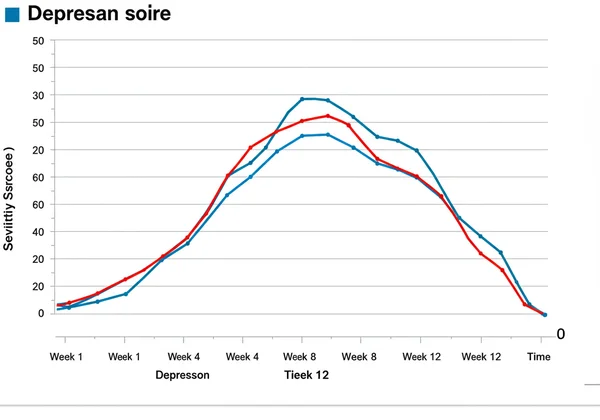
Beyond initial screening, the scale is a powerful tool for monitoring progress. By administering the scale at regular intervals—for instance, every four to six weeks—you can track changes in a client's scores over time. This data-driven approach helps evaluate treatment effectiveness, allowing you to collaboratively adjust interventions with your client. Seeing a tangible reduction in scores can also be incredibly validating and motivating for the individual undergoing therapy.
DASS-21 for Employee Wellness Screening in HR
In the corporate world, proactive mental health support is no longer a perk but a necessity. Human Resources professionals can use this tool as a cornerstone of their employee wellness screening programs. By offering a confidential and accessible tool, organizations can identify at-risk employees and provide timely support, ultimately fostering a healthier and more productive workforce.
Designing & Implementing Proactive Workplace Mental Health Programs
This assessment can be integrated into workplace mental health initiatives to gauge the overall emotional climate of an organization. It can be offered voluntarily as part of an annual wellness check-in or during periods of high organizational stress, such as restructuring. The insights gained can inform the development of targeted workshops, EAP (Employee Assistance Program) promotions, and other supportive resources. An accessible online DASS-21 test makes large-scale implementation seamless.
Ensuring Confidentiality and Interpreting Aggregate DASS-21 Data
When using this scale in an organizational context, ensuring confidentiality is non-negotiable. Individual results must remain private. However, anonymized, interpreting aggregate data can reveal valuable trends within departments or across the company. For example, consistently high stress scores in a specific team might indicate a need for workload management or leadership training. This strategic use of data empowers HR to make informed decisions that benefit both employees and the organization.

The DASS-21 Advantage Among Psychological Assessment Tools
While numerous screening tools exist, this particular tool holds several distinct advantages that make it one of the preferred psychological assessment tools for professionals. Its unique structure, robust psychometric properties, and accessibility set it apart, offering a blend of scientific rigor and practical utility.
Multidimensionality: Assessing Depression, Anxiety, and Stress Simultaneously
A primary strength of this scale is its multidimensionality. Unlike tools that measure general psychological distress, it differentiates between the symptoms of depression, anxiety, and stress. This allows for a more precise understanding of an individual's emotional state. For example, it helps distinguish between the low mood and anhedonia of depression and the physiological arousal and tension characteristic of anxiety.
Scientific Validity and Reliability for Professional Application
This scale is not just convenient; it is built on a foundation of scientific validity. Developed by Lovibond and Lovibond (1995), the scale has been extensively researched and validated across diverse populations and cultural contexts. Its strong psychometric properties mean that professionals can trust the results to be a reliable and consistent measure of emotional distress, making it suitable for both clinical settings and research.
Accessibility and Multilingual Support for Diverse Populations
To be truly effective, a tool must be accessible to everyone. Our platform champions this principle by offering the assessment with extensive multilingual support, available in over 15 languages. This feature is invaluable for professionals working with diverse client or employee populations, ensuring that language is not a barrier to receiving quality mental health screening. You can direct individuals to a confidential screening tool they can use in their native language.

Maximizing Impact: Informed Decisions with the DASS-21
By leveraging the DASS-21, professionals gain a strategic asset for any initiative committed to mental well-being. Whether used for clinical intake, therapeutic progress monitoring, or corporate wellness programs, it provides clear, actionable insights that empower informed decision-making. The scale's scientific reliability, multidimensional scoring, and unparalleled accessibility make it an indispensable part of a modern professional's toolkit.
By integrating this powerful assessment, you can enhance the quality of your care, foster a supportive environment, and make a tangible impact on the lives you touch. We encourage you to explore the possibilities on our platform. Take the DASS-21 today to familiarize yourself with the user experience and discover how it can seamlessly fit into your professional workflow.
Frequently Asked Questions for Professionals Using this Assessment
Is the DASS-21 a diagnostic tool for mental health professionals?
No, and this is a critical distinction. This is a screening tool, not a diagnostic instrument. It is designed to measure the severity of symptoms related to depression, anxiety, and stress. While high scores can indicate significant distress and suggest the need for further evaluation, a formal diagnosis should only be made by a qualified mental health professional following a comprehensive clinical assessment.
How reliable is the DASS-21 scale for use in clinical settings or HR programs?
The scale is highly reliable and has been validated in numerous peer-reviewed studies across various populations. Its strong internal consistency and construct validity make it a trustworthy instrument for measuring emotional distress. Professionals can confidently use it for initial screening and progress tracking, knowing it is an evidence-based measure.
Who can effectively utilize the DASS-21 assessment in their professional practice?
A wide range of professionals can benefit from using this assessment. This includes clinical psychologists, counselors, social workers, school advisors, primary care physicians, and HR managers. Its simplicity and clear scoring make it accessible for any professional who needs a quick and reliable way to assess emotional well-being as a first step in providing support.
What should professionals do with DASS-21 assessment results and insights?
The assessment results should be used as a starting point for conversation and intervention. In a clinical setting, they can guide treatment planning and goal setting. In an HR context, aggregate data can inform the creation of targeted wellness initiatives. The key is to use the insights to open a dialogue, offer appropriate resources, and, when necessary, refer individuals for professional psychological support. You can start by exploring our simple online tool.