Burnt Out, Stressed, or Depressed? A DASS-21 Symptom Guide for Depression, Anxiety, and Stress
Are you often overwhelmed, drained, or feeling persistently down, struggling to pinpoint why? In our fast-paced lives, distinguishing between burnout, chronic stress, and depression can be incredibly challenging. This guide aims to bring you clarity by exploring the unique and shared signs, empowering you to better understand what you're experiencing. Am I depressed, stressed, or just completely burnt out? Let's explore the answers together and find a clear path forward.
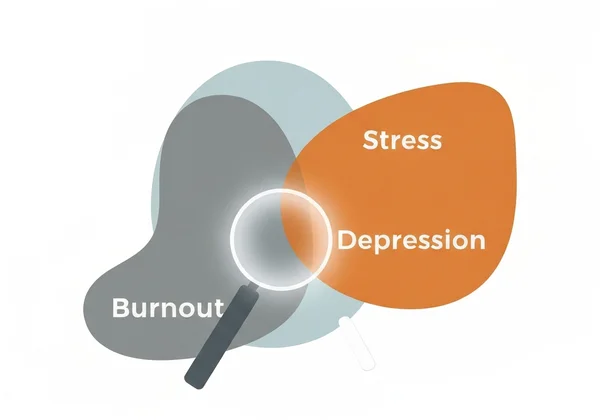
Understanding Burnout: More Than Just Being Tired
Burnout is a state of emotional, physical, and mental exhaustion caused by prolonged or excessive stress, most often from your job. The World Health Organization even classifies it as an "occupational phenomenon." It isn't simply having a bad week; it's a deeper, more persistent sense of depletion. Recognizing it is crucial because it signals that your current work-life balance is unsustainable.
What Does Burnout Really Feel Like?
Burnout typically manifests in three core areas. First is an overwhelming sense of emotional exhaustion. You might feel drained and unable to cope with the demands of your day. Second, you may experience increased mental distance from your job or feelings of negativism or cynicism related to it. This is often described as depersonalization. Finally, there's a feeling of reduced professional efficacy. You might feel incompetent and lack a sense of accomplishment in your work, even if you were once passionate about it. This combination can leave you feeling stuck and unmotivated.
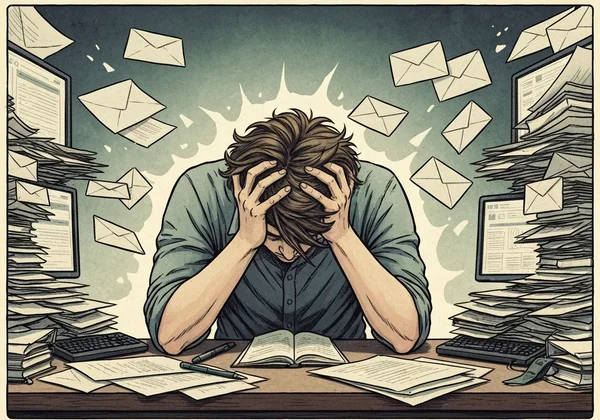
Common Causes and Risk Factors of Burnout
Burnout doesn’t happen overnight. It stems from a variety of factors, including an unmanageable workload, a perceived lack of control over your tasks, and insufficient rewards for your effort. A toxic work environment, a lack of social support, or a mismatch in values can also contribute significantly. People in helping professions, like healthcare and education, are often at higher risk, but anyone feeling chronically overworked and undervalued can experience it. Understanding these triggers is key to addressing the root cause.
Stress vs. Depression: Deciphering the Differences
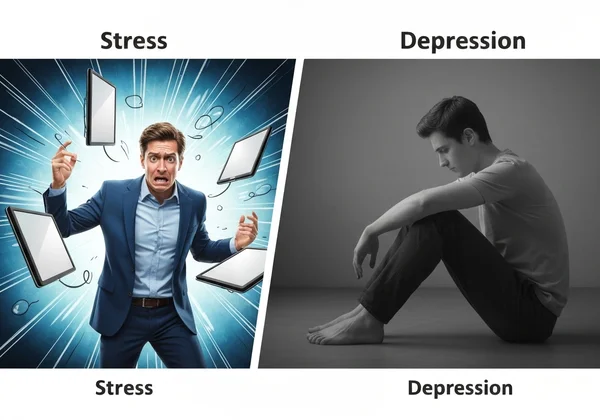
While burnout is primarily job-related, stress and depression can permeate every aspect of your life. They are often used interchangeably, but they are fundamentally different experiences. Stress is typically a reaction to external pressures, while depression is a persistent mood disorder that affects how you feel, think, and handle daily activities. Acknowledging these differences is vital for finding the right support. You can start by taking a free DASS21 test to see where you stand.
Signs of Chronic Stress: Beyond the Daily Hustle
Everyone experiences stress, but chronic stress is different. It’s when your body remains in a high-alert state for a prolonged period. Symptoms can be physical, like headaches, muscle tension, and digestive issues. Emotionally, you might feel irritable, anxious, or have difficulty concentrating. Chronic stress is often characterized by a sense of being over-engaged—your emotions are heightened, and you feel a frantic sense of urgency. The problems feel external and manageable, if only you could get everything under control.
Recognizing Depression: When Sadness Becomes Persistent
Depression, on the other hand, is characterized by a persistent feeling of sadness, emptiness, or a complete loss of interest in activities you once enjoyed—a state known as anhedonia. Unlike stress, depression involves a sense of disengagement. Emotions may feel blunted, and you might feel hopeless about the future. Other common signs include significant changes in appetite or sleep patterns, overwhelming fatigue, feelings of worthlessness, and difficulty thinking or making decisions. The key distinction is that with depression, these feelings are persistent and don't necessarily go away even when external pressures ease.
Overlapping Symptoms: Why It's Hard to Tell Them Apart
The reason it’s so difficult to distinguish between burnout, stress, and depression is that they share a significant number of symptoms. This overlap can create a confusing emotional landscape, making it hard to identify what you're truly experiencing. However, subtle but important distinctions can help you gain clarity. A helpful step can be getting a confidential evaluation to better understand your feelings.
Fatigue, Irritability, and Loss of Interest: Common Ground
Whether you're burnt out, chronically stressed, or depressed, you will likely feel exhausted. Fatigue is a hallmark symptom across all three conditions. Similarly, irritability is common; when you’re mentally and emotionally drained, your patience wears thin. A loss of interest can also appear in all three states. However, in burnout, this is usually tied to work, while in depression, the loss of interest is more global, affecting hobbies, relationships, and personal passions.
Key Distinctions: Severity, Duration, and Impact
To tell them apart, consider three factors. First, look at the severity and core emotion. Depression often involves a deep sense of hopelessness and worthlessness that isn’t as prominent in stress or burnout. Second, consider the duration. Stress can be situational and may resolve when the trigger is removed. Depression, however, is characterized by symptoms that last for at least two weeks. Finally, assess the impact. Burnout is centered on your relationship with work. While its effects can spill into your personal life, depression typically impacts all areas of your life profoundly and equally.
Your Next Step: Gaining Clarity with the DASS-21 Assessment
Reading about symptoms is an empowering start, but how can you move from guessing to knowing? A structured, objective tool can help you quantify and understand your feelings in a new light. This is where the Depression, Anxiety, and Stress Scale (DASS-21) becomes an invaluable resource. It's designed to provide a clear, numerical snapshot of your emotional state.
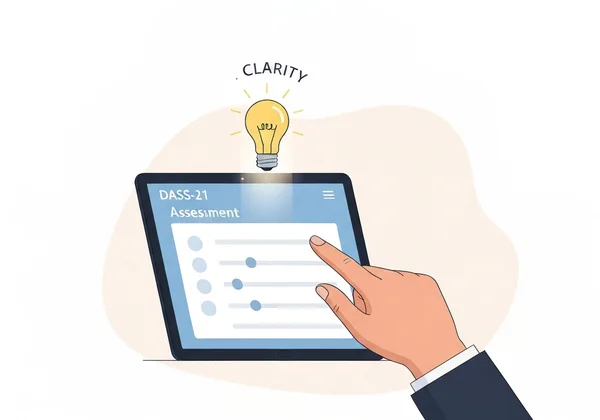
How DASS-21 Helps Differentiate Your Feelings
The DASS-21 is not just a general "mood quiz." It’s a scientifically validated screening tool that measures three distinct negative emotional states: depression, anxiety, and stress. By asking 21 simple questions about your experiences over the past week, it provides separate scores for each category. This separation is its greatest strength. It can help you see if your feelings of being overwhelmed are primarily driven by stress, symptoms of depression, or anxiety. This clarity is the first step toward targeted action and self-care.
Quick, Confidential, and Free: Start Your Assessment
One of the biggest barriers to understanding our mental health is access. Our platform offers an assessment designed to be completely accessible. It takes only about three minutes to complete, and your results are instant. Most importantly, the process is completely confidential and free. You don't need to register or provide personal information to get your scores. Why not start your assessment now and take a meaningful step toward understanding your emotional well-being?
Start Your Journey to Understanding Today
Understanding these differences is a powerful first step, but for concrete insights, the DASS-21 assessment offers a rapid, private way to quantify your depression, anxiety, and stress levels. Don't let confusion hold you back; gain clarity on your emotional state and empower your mental well-being journey today. Your path to feeling better truly begins with knowing. Get your results and empower yourself with that knowledge.
Help Center
What is the DASS-21 test?
The DASS-21 is a well-established self-report questionnaire designed to measure the severity of symptoms related to depression, anxiety, and stress. It consists of 21 questions where you rate how much a statement has applied to you over the past week. It's a widely used screening tool that helps provide a quick snapshot of your emotional state.
Is the DASS-21 a diagnostic tool?
No, and this is a critical point. The DASS-21 is a screening tool, not a diagnostic one. It can help you identify and quantify emotional distress, but it cannot tell you if you have a clinical disorder. A formal diagnosis can only be made by a qualified healthcare professional, such as a psychologist, psychiatrist, or general practitioner.
What should I do with my DASS-21 results?
Your DASS-21 results are a valuable piece of information for self-reflection. If your scores are in the moderate to extremely severe range, or if you are concerned about your mental well-being for any reason, it is strongly recommended that you share these results with a doctor or mental health professional. They can provide a proper diagnosis and guide you toward the most appropriate support and treatment options. You can use the scores as a starting point for that important conversation. Why not try our tool to begin?
Is the DASS-21 test free and confidential?
Yes, the DASS-21 test is completely free to take on our site, and you can access it without any registration. We are committed to protecting your privacy. Your answers and the results you receive are confidential, providing you with a safe and secure space to explore your emotional health.